Usabilidoido: Menu Principal

Pluralismo prospectivo no design thinking





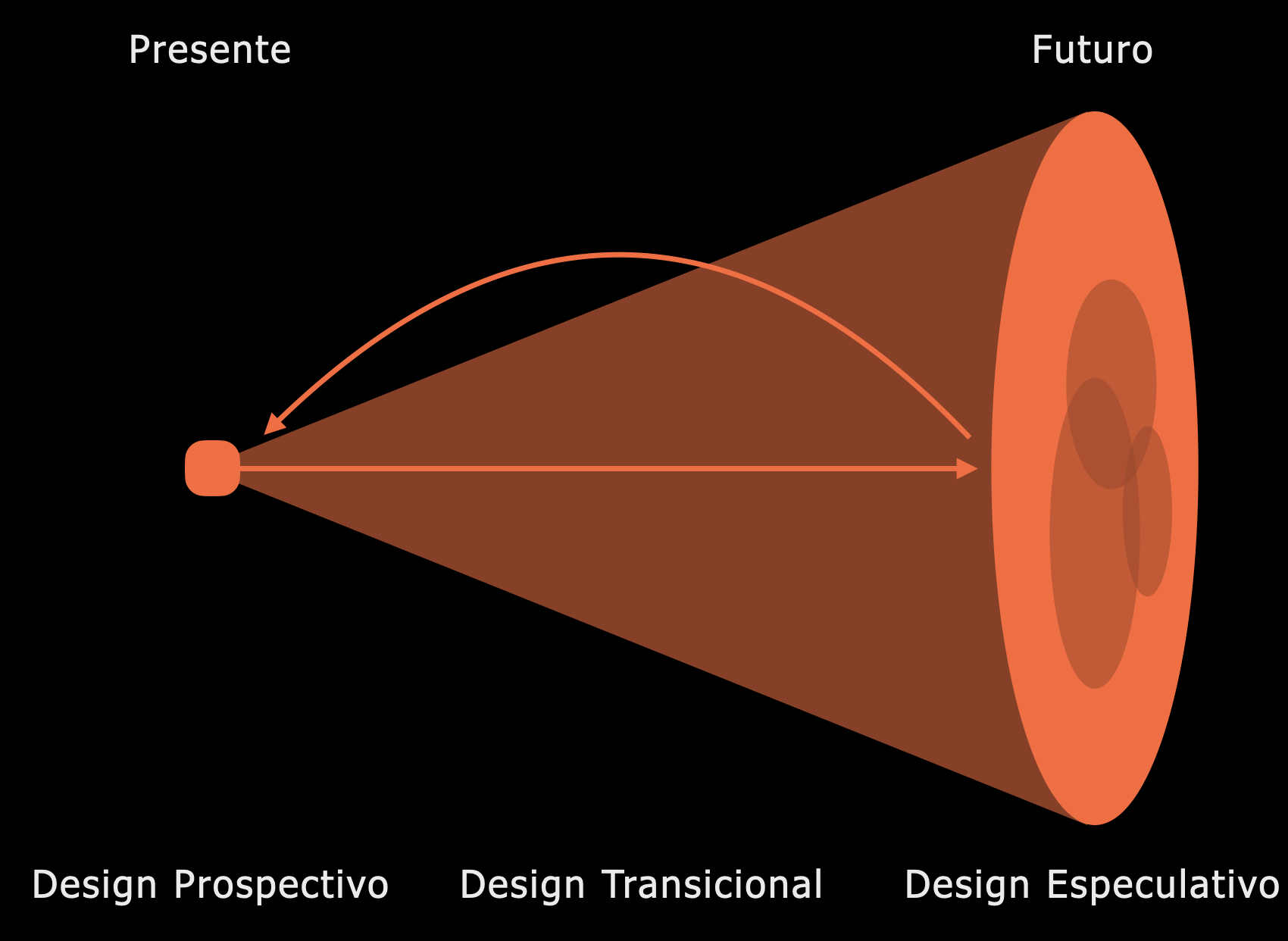
Durante os anos 1960 e 1970, profissionais de várias áreas começaram a se reunir para compartilhar seus pensamentos sobre design. Os pensamentos foram reduzidos a uma questão de método de design, porém, já havia uma premissa básica de pluralismo. Esse pluralismo se perdeu na redução do pensamento projetual a um método específico de design thinking a partir dos anos 2000. As contradições estruturais da sociedade que se acumularam desde então passaram a exigir cada vez mais abordagens democráticas de projeto. O Design Prospectivo, que emerge no Brasil nos anos 2020, recupera a pluralidade perdida para abordar essas contradições de maneira democrática e criativa.
Vídeo
Slides
Audio
Gravação realizada na disciplina Estudos em Design Prospectivo do Mestrado em Design Prospectivo da UTFPR.
Pluralismo prospectivo no design thinking [MP3] 44 minutos
Referências
ARCHER, Bruce. Design as a discipline. Design Studies, v. 1, n. 1, p. 17-20, 1979.
BROOKS, Frederick P. The Mythical Man-Month: Essays on Software Engineering. Reading: Addison-Wesley, 1974.
BUCHANAN, Richard. Wicked problems in design thinking. Design Issues, v. 8, n. 2, p. 5-21, 1992.
MARGOLIN, Victor; BUCHANAN, Richard (orgs.). The idea of design. Cambridge: MIT Press, 1995. p. 23-37.
BUCHANAN, Richard. Design research and the new learning. Design Issues, v. 17, n. 4, p. 3-23, 2001.
BROWN, Tim. Change by design: how design thinking creates new alternatives for business and society. New York: Harper Business, 2009.
BUCHANAN, Richard; MARGOLIN, Victor (orgs.). The idea of design. Cambridge: MIT Press, 1995.
BOTTER, Fernanda; FUKUSHIMA, Kando; GOGOLA, Milena Maria Rodege. Prospectando futuros para a educação superior no contexto pós-pandemia COVID-19. Estudos em Design, v. 28, n. 3, 2020.
CROSS, Nigel. Designerly ways of knowing. Design Studies, v. 3, n. 4, p. 221-227, 1982.
DREYFUSS, Henry. Designing for people. New York: Simon and Schuster, 1955 [Modelo 320 de 1937].
DUNNE, Anthony; RABY, Fiona. Speculative everything: design, fiction, and social dreaming. Cambridge: MIT Press, 2013.
FABER-LUDENS, Instituto. Design Livre. Clube de Autores, 2012.
GREENBAUM, Joan; KYNG, Morten (orgs.). Design at work: cooperative design of computer systems. Hillsdale: Lawrence Erlbaum Associates, 1991.
GOLDSCHMIDT, Gabriela. On visual design thinking: the vis kids of architecture. Design studies, v. 15, n. 2, p. 158-174, 1994.
GOLDSCHMIDT, Gabriela. The dialectics of sketching. Creativity research journal, v. 4, n. 2, p. 123-143, 1991.
GOLDSCHMIDT, Gabriela. Linkography: unfolding the design process. Mit Press, 2014.
IRWIN, Terry. Redesigning a design program: How Carnegie Mellon University is developing a design curricula for the 21st century. Solutions, v. 6, n. 1, p. 91-100, 2015.
JONES, J. Christopher. Design Methods: Seeds of Human Futures. 1970.
KIMBELL, Lucy. Rethinking design thinking: Part I. Design and culture, v. 3, n. 3, p. 285-306, 2011.
KIMBELL, Lucy. Rethinking design thinking: Part II. Design and Culture, v. 4, n. 2, p. 129-148, 2012.
LAWSON, Bryan. How designers think: the design process demystified. London: Architectural Press, 1980.
RANJAN, M. P. Design Thinking Flower Model. Ahmedabad: National Institute of Design, 2013. Disponível em: http://design-for-india.blogspot.com.
RITTEL, Horst; WEBBER, Melvin. Dilemmas in a general theory of planning. Policy Sciences, v. 4, n. 2, p. 155-169, 1973.
SANDERS, Elizabeth B.-N.; STAPPERS, Pieter Jan. Co-creation and the new landscapes of design. Co-design, v. 4, n. 1, p. 5-18, 2008.
SANDERS, Elizabeth B.-N.; STAPPERS, Pieter Jan. Convivial toolbox: Generative research for the front end of design. Bis, 2012.
SCHÖN, Donald. The reflective practitioner: how professionals think in action. New York: Basic Books, 1983.
SIMON, Herbert. The sciences of the artificial. 2. ed. Cambridge: MIT Press, 1981.
VAN AMSTEL, F. M. C. Expansive design: designing with contradictions. (Tese de Doutorado). Universidade de Twente, 2015.
VAN AMSTEL, Frederick MC; BOTTER, Fernanda; GUIMARÃES, Cayley. Design Prospectivo: uma agenda de pesquisa para intervenção projetual em sistemas sociotécnicos. Estudos em Design, v. 30, n. 2, 2022.
VIEIRA PINTO, Álvaro. O conceito de tecnologia. Rio de Janeiro: Contraponto, 2005 [1973].
VITRUVIUS. De architectura. Roma, 30 a.C.
WATT, James; BOULTON, Matthew. Patente da máquina a vapor. Londres: 1763.
Podcast



Autor
- Quem? / Contato - 01/02/2026
Redes
Siga-me no LinkedIn, X ou Instagram.
Citação
VAN AMSTEL, Frederick M. C. Pluralismo prospectivo no design thinking. Blog Usabilidoido, 2026. Acessado em . Disponível em: http://www.usabilidoido.com.br/pluralismo_prospectivo_no_design_thinking.htmlRelacionados


Comentários
Pegue um fruto.
 Interface como linguagem
Você merece.
Alguns direitos reservados por Frederick van Amstel.
Apresentação do autor | Perguntas Frequentes (FAQ) | Website internacional
Política de Privacidade | Contato